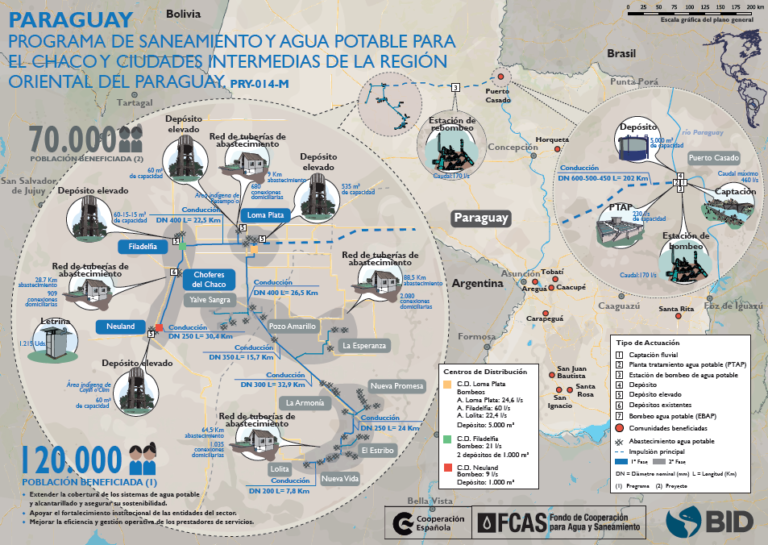
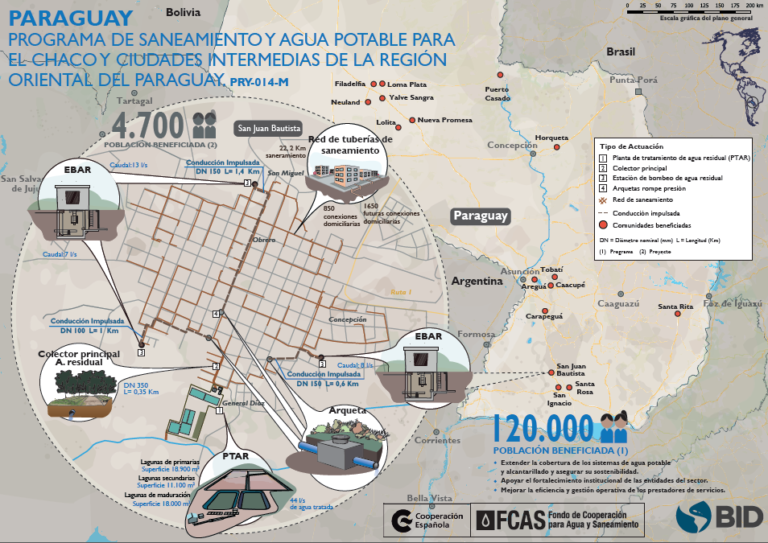
 In July, the only remaining active FCAS programme in Paraguay, managed in this case in collaboration with the IDB, came to an end. This initiative, called Solutions for Drinking Water Supply and Sanitation in the Región Occidental or Chaco and Intermediate Cities of the Región Oriental de Paraguay, has focused on the provision of water and sanitation services for 6 rural communities and 55 indigenous communities in Chaco. For the supply of drinking water, four distribution centres were built (Loma Plata, Filadelfia, Neuland and Mariscal Estigarribia), 331 km of adductor networks and 32 distribution network systems, representing 274.1 km of distribution networks, and 5,101 effective household connections. These systems are to be fed by water from the Chaco aqueduct, which was financed by Paraguayan resources outside the project. In the area of sanitation, 1,215 Basic Sanitation Units (BSSU) were built.
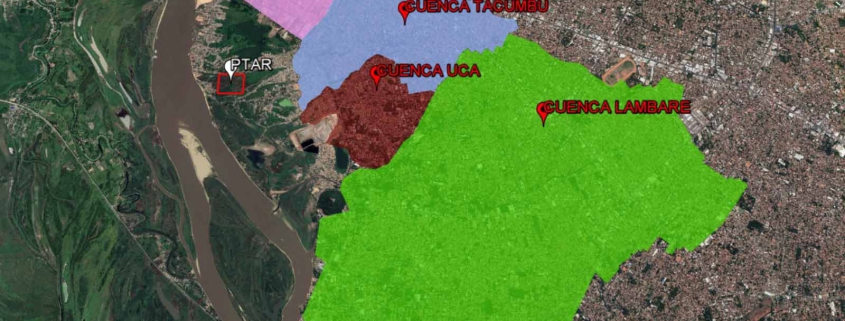
Water and Sanitation Project for the Metropolitan Area of Asunción (AMA) – Lambaré Basin
This programme coordinates over €160 million in total, including reimbursable and grant funding. The European Union has contributed €10.51 million through the LACIF programme, the programme was additionally funded with €1.14 million from AECID and loans from FONPRODE (€54.43 million) and the Inter-American Development Bank (€95.26 million).
The entity in charge of implementation is the Ministry of Public Works and Communications (through the General Directorate for Drinking Water and Sanitation, DAPSAN), while the Paraguayan Sanitation Services Company (ESSAAP) will be the recipient of all infrastructure and the main beneficiary of the grants, which also include the improvement of the drinking water supply network.
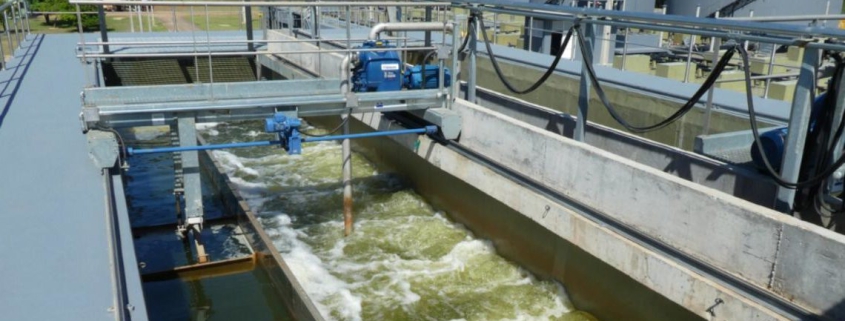
This intervention, which is part of the European Union’s Global Gateway initiative, will contribute to improving the quality of life of more than 400,000 people currently living in 58 neighbourhoods in the municipalities of Lambaré, Asunción, Fernando de la Mora and Villa Elisa, ensuring access to sanitation and promoting community engagement. Among other actions, the project includes the deployment of a wastewater treatment plant (WWTP), a river outfall, 15 pumping stations and approximately 800 kilometres of sanitation networks.